Three coding CLIs, one workflow – but the routing axis is the models, not the tools. How I pick the model first – Claude Opus 5 vs. Sonnet 5, Gemini 3.1 Pro with its 2M context, Gemini 3 Flash for vision, the open DeepSeek-V4-Pro, a local Qwen3-32B (IQ3_M) – and then the right harness. With shell setup and a small router script.

Context engineering in practice: how structured frontmatter metadata from Astro content collections becomes a precise, budgeted context source for an LLM – with TypeScript examples instead of naive full-text search.
How do I know IQ3_M is still good enough? Measuring the quality loss of a quantisation – with llama-perplexity, KL divergence against the base model, and a small task eval of your own.
How I quantised Qwen3-32B with llama.cpp and an importance matrix so it runs on a 16 GB GPU: GGUF conversion, imatrix, quant levels compared, VRAM budgeting and layer offload.
Vector search is the default for RAG – but for my personal wiki, structured retrieval over metadata and full text was the better choice. Where embeddings fail, with SQL and prompt examples.
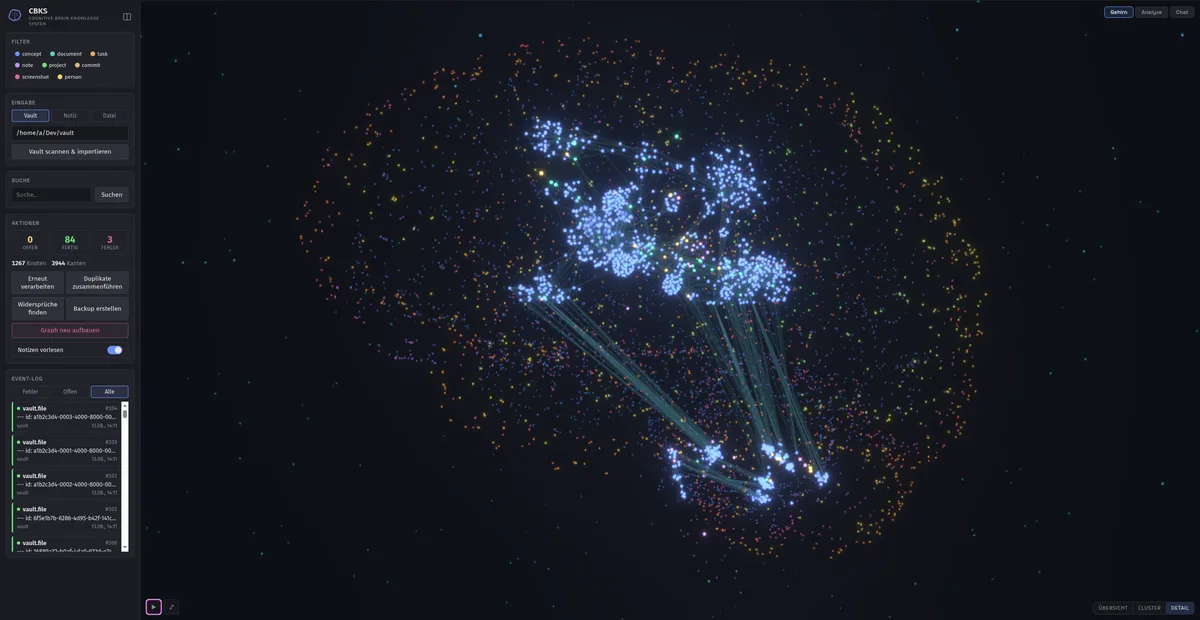
A self-built system with technical depth: event sourcing, graph cache, local LLMs and a brain-region-based agent model – fully offline, no cloud.
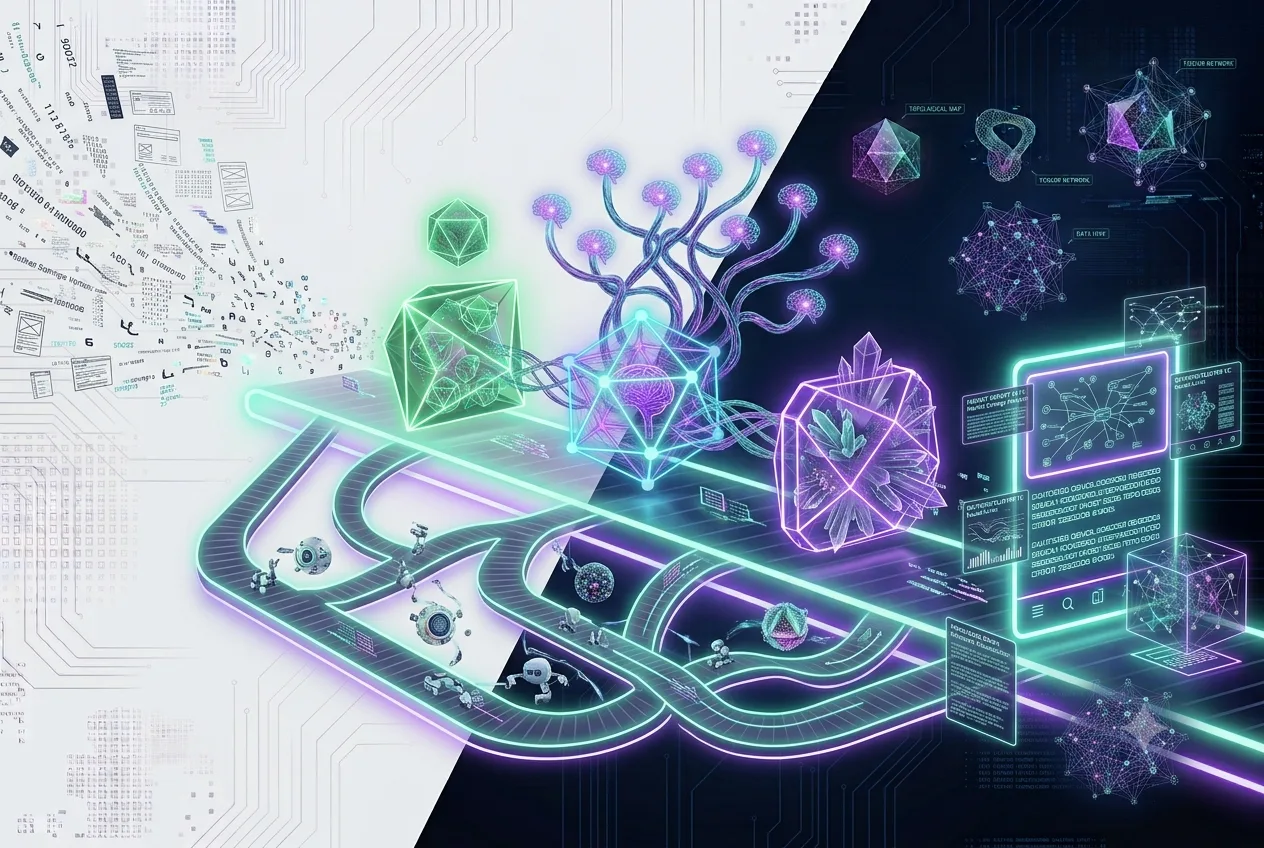
From research to a published post in about 7 minutes: a two-model pipeline – Gemini 3 Pro writes, Nano Banana illustrates – with a generative blog system and a data-driven frontend.

Context engineering as a concept: a personal, growing wiki as a local context source for LLM queries – structured instead of naive vector search.
A method in machine learning and natural language processing (NLP) that aims to get models to explain their steps and reasoning as they arrive at a solution.
 #react